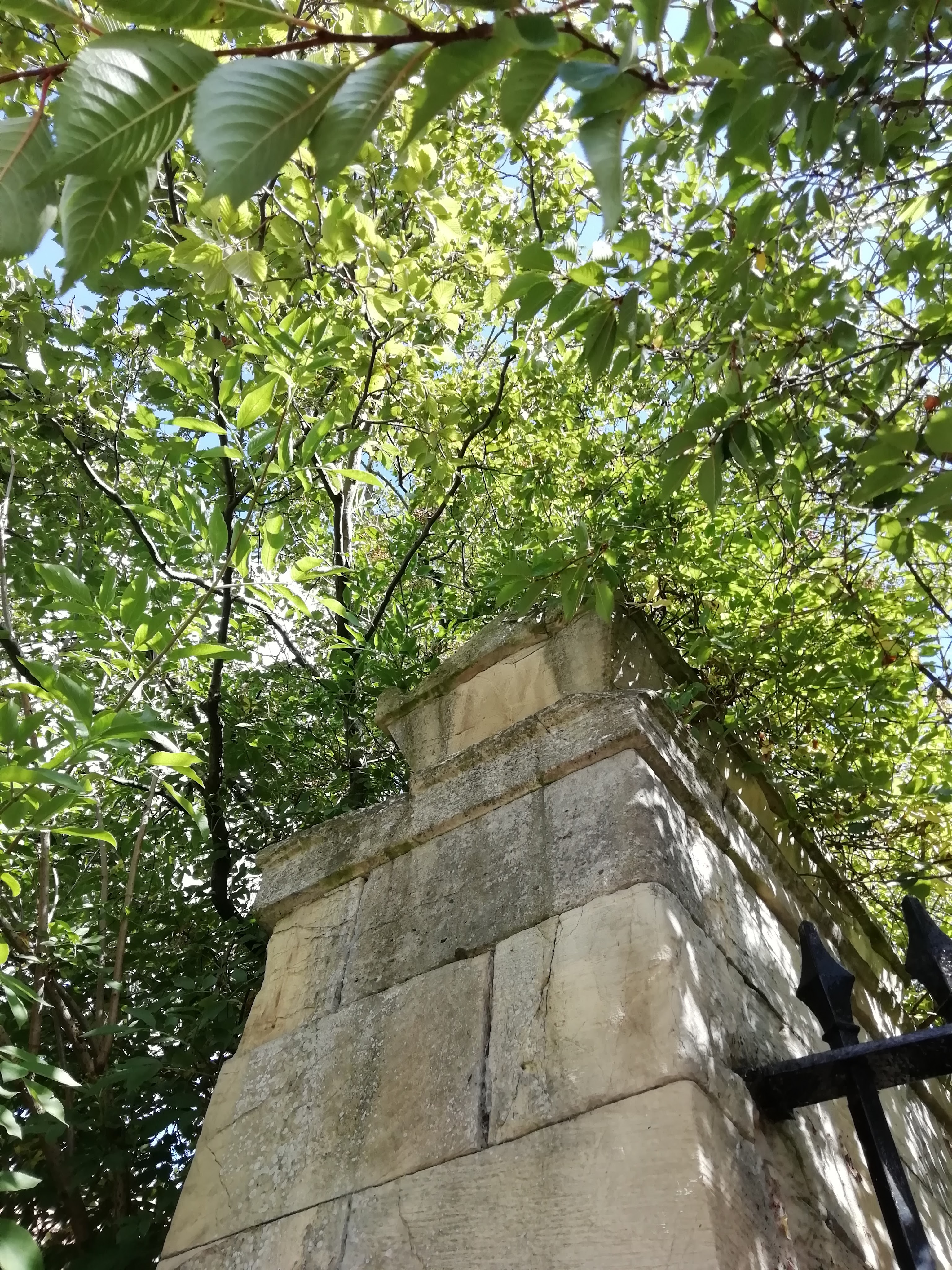
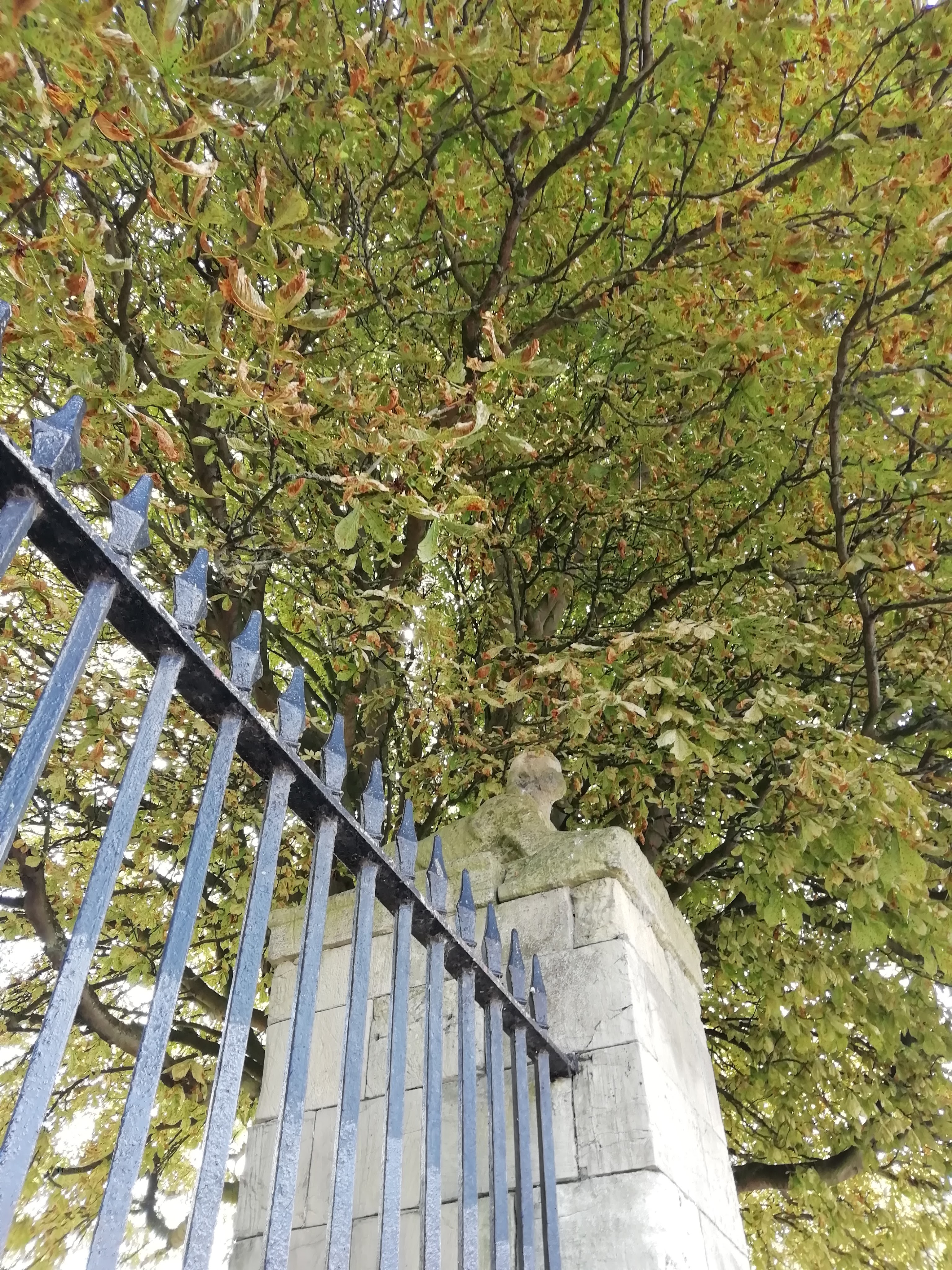
Above: a sarcophagus and a sphinx, both symbols of death, stand atop the pillars at either end of the cemetery’s western edge.
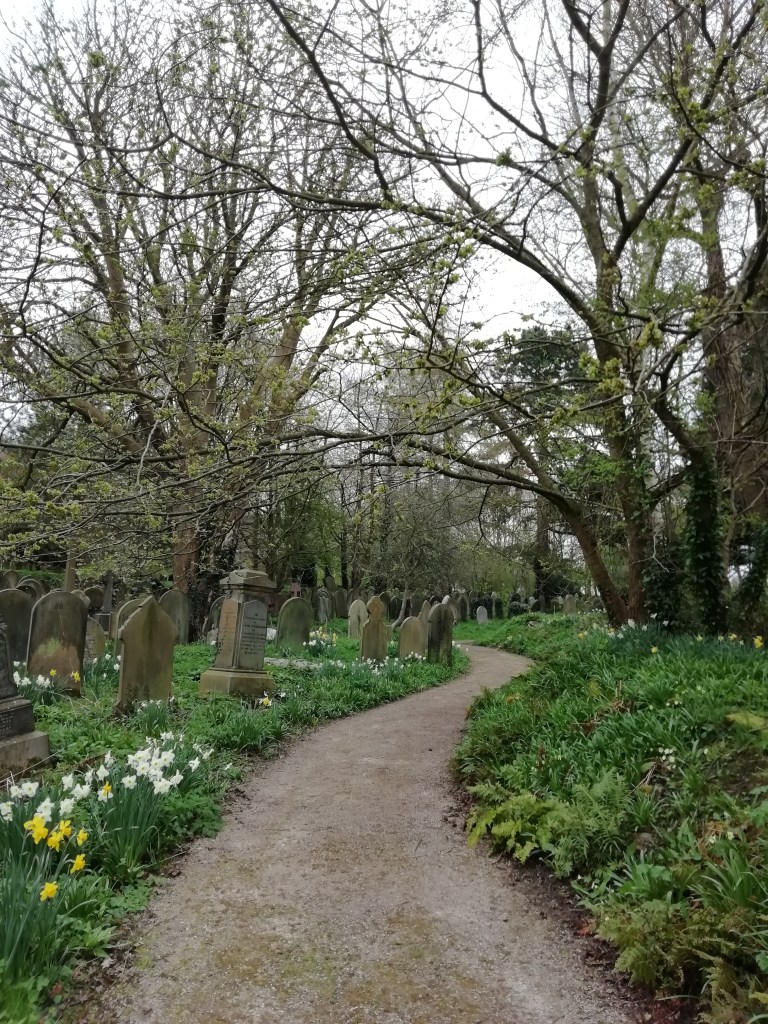
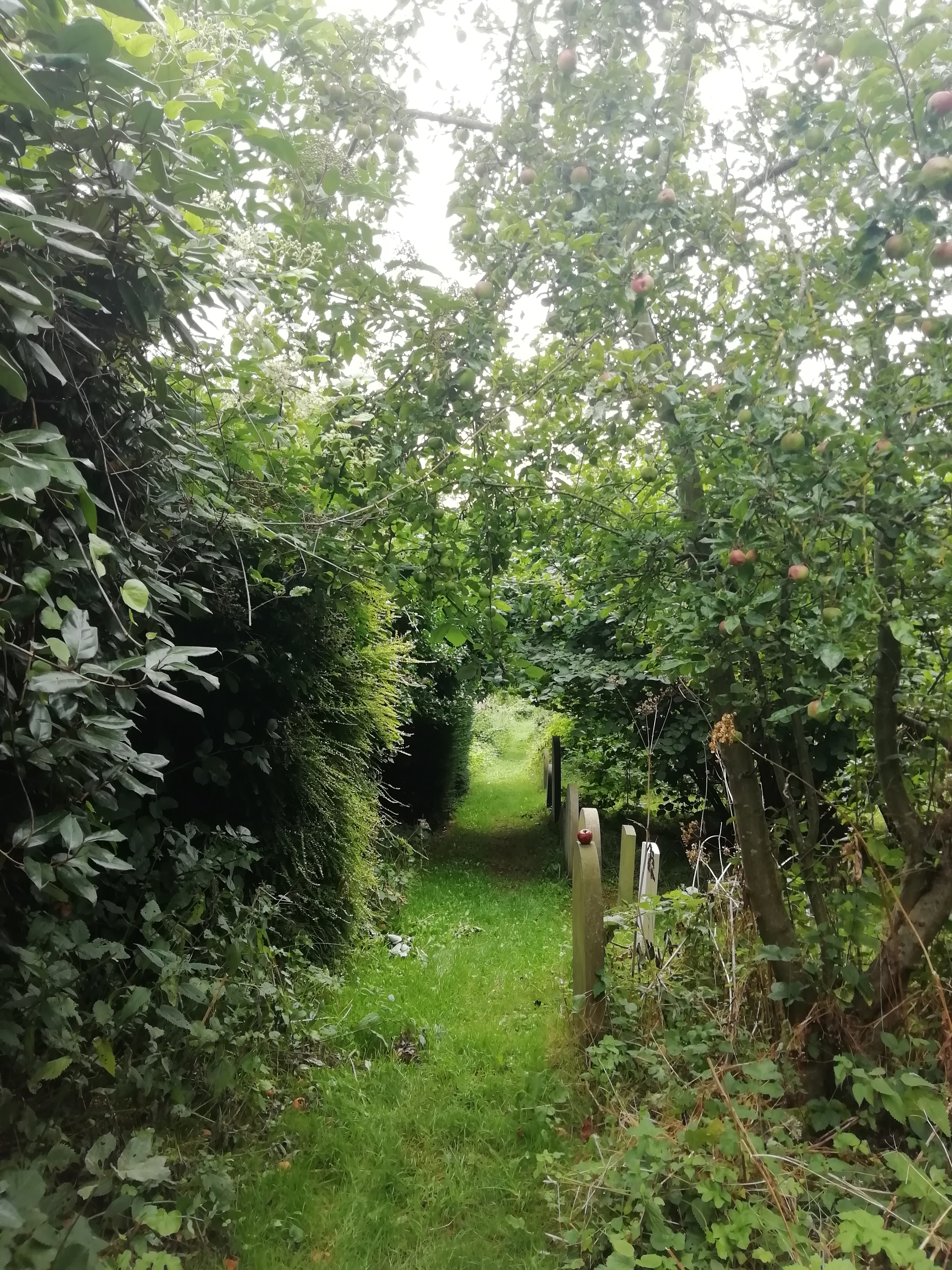
My favourite place in York is the cemetery. It is not because I have a particular taphophilia – that is, an interest in cemeteries, grave markers, and the trappings of death and funerals generally – but because it is a quiet, peaceful, perennially beautiful place to go and walk. In every season it is a joy: the dewy spring jewelled with daffodils, the summer full of green, the fog and fungi of autumn, and the winter frosts. I take lots of pictures there, of all the beautiful things I see. It is like visiting a dreamscape: you’ll try and find the particular place you went last time, but you won’t find it, or you will but you weren’t looking for it, or it has been transformed by the seasons. Or perhaps you’ll end up somewhere completely new, in a part of a familiar place you hadn’t known was there. I have gone there with my mind in a knot, unable to make decisions, and the peace and silence of the cemetery have given me the answer I needed, restoring and resetting me. Every time I visit I see something new, whether it’s a different view, a detail on a grave, or a new flower or tree. Also, the cemetery is one of the few outdoor places in York where dogs are not allowed, and I can also walk through and not manage to hear or see a soul. This is my kind of place.
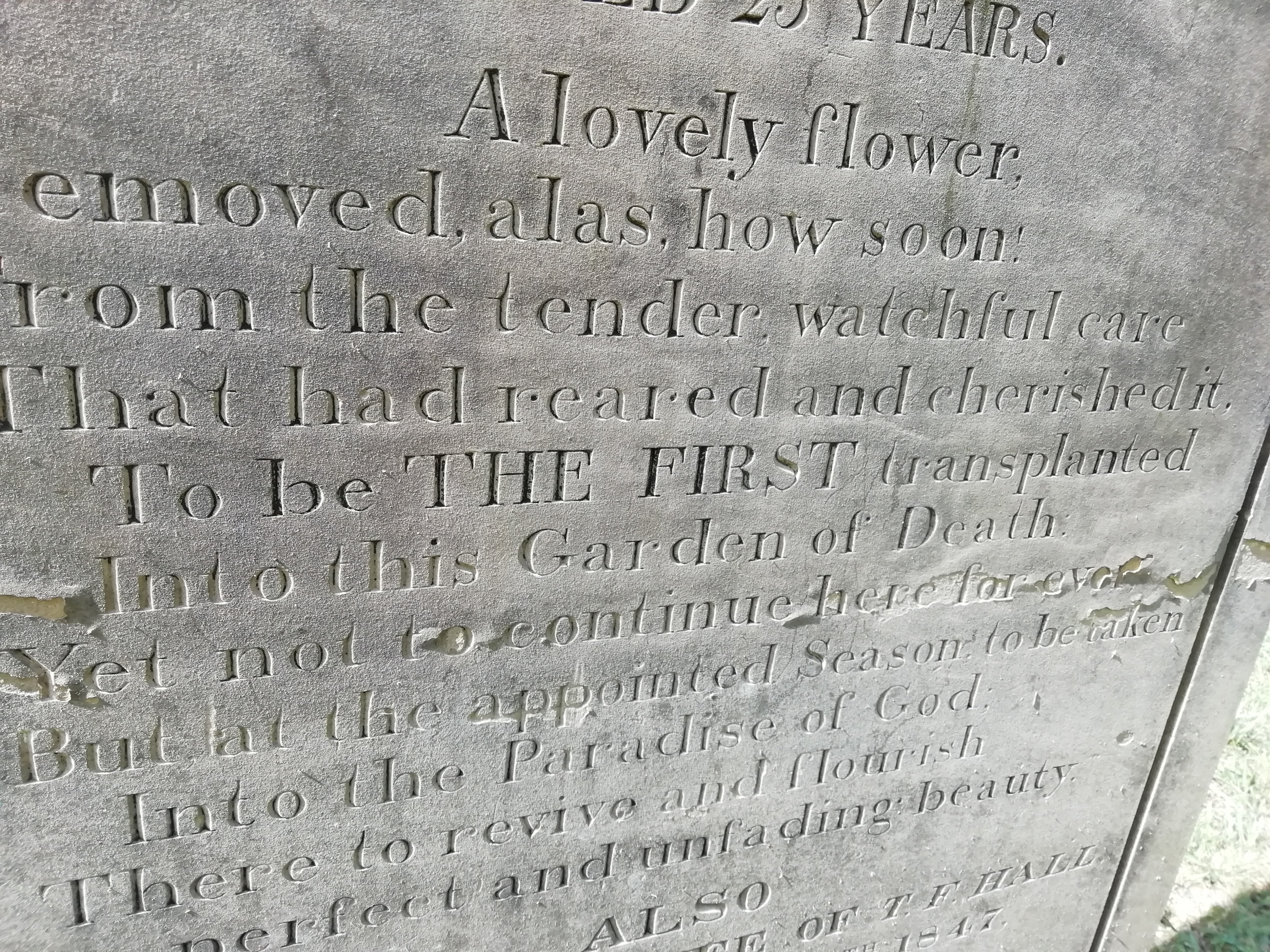
I should note that the title is a reference to the inscription on the headstone of the first person buried in the cemetery, as well as a reference to the title of a fascinating book about the cemetery’s history. For me, it is more of a garden of peace and calm and quiet.
I initially had a bit of a misconception about British cemeteries, that they would somehow contain graves that were much older than the ones I knew from (western) Canada, i.e. older than the Victorian era, given how old the built history here can be. This might be the case for monuments inside churches, and for burials in a parish churchyard, but cemeteries, in the senes of a place not maintained by, or connected to, a church, are something that date from the early- to mid-nineteenth century. The York Cemetery is a very good example of this shift away from relying on churchyards for burials and towards a dedicated cemetery space maintained by the local authorities.
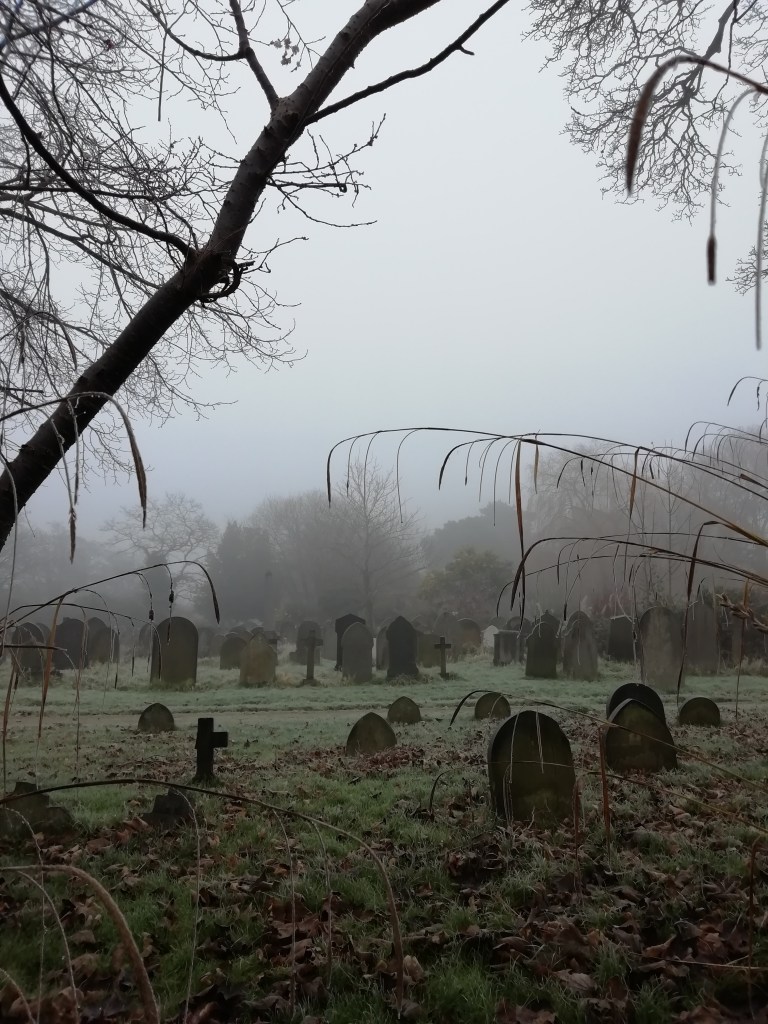
Prior to this period, people were buried in the churchyard of their parish church, or in a non-conformist burial ground (a Quaker burial ground, for instance, or a Methodist one – essentially, not an Anglican one). What this would eventually mean, however, and which was certainly the case in York, is that these churchyards would fill up. Burial spaces were, of course, finite in such an enclosed space, and there would only be so many times you could re-open a grave before it became completely full of bodies. Bear in mind, too, that cremation was not very common at all at this point, and that the death rate, and infant mortality, were both higher than today. In York’s churchyards, within the city centre, this lack of burial space was becoming a serious problem in the early nineteenth century. It was not healthy to be re-opening graves, especially if they were of cholera victims – York had suffered an outbreak of cholera in 1832 – and it was seen as undignified to be disturbing someone’s resting place. The City of York needed a cemetery.
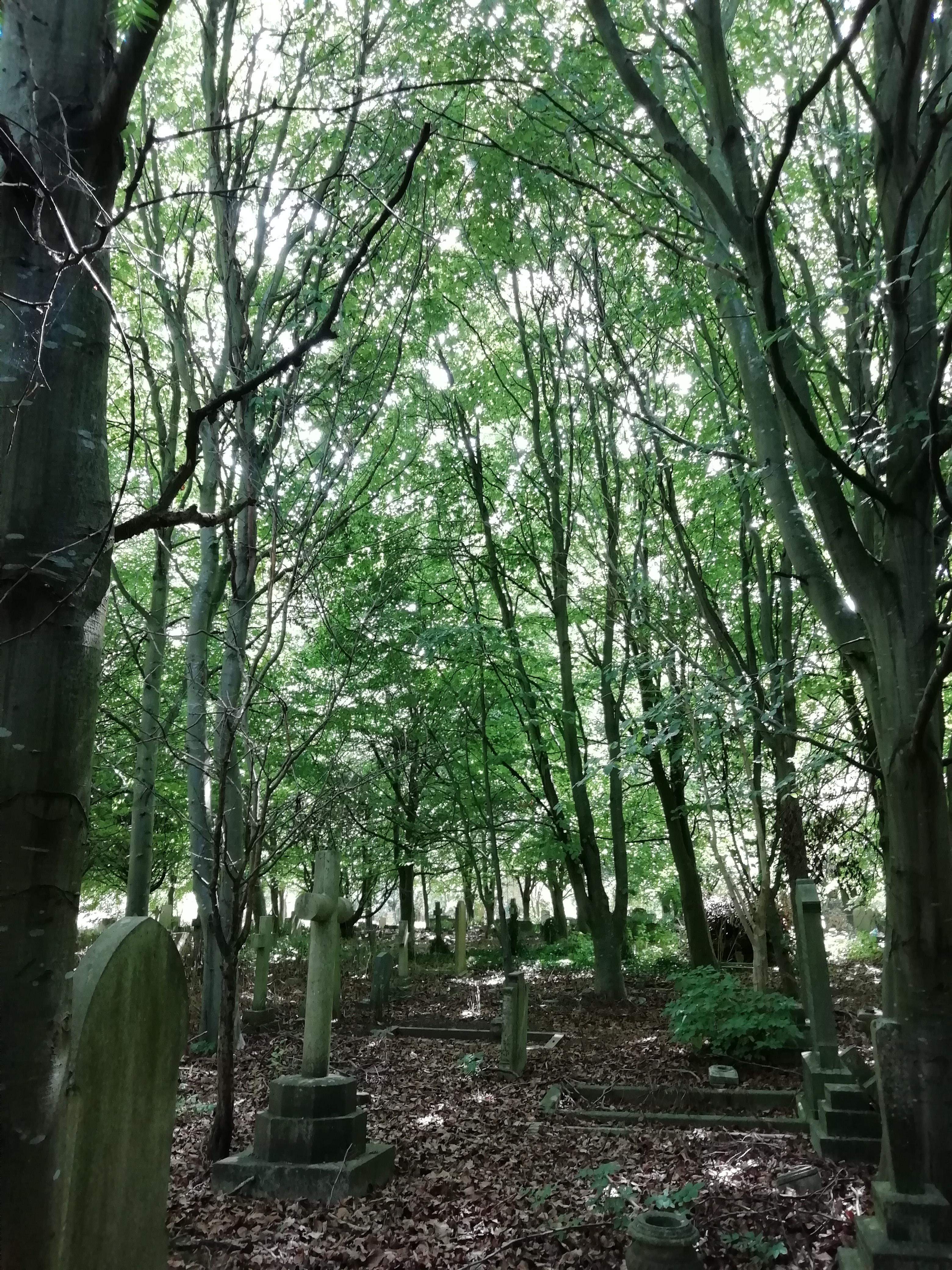
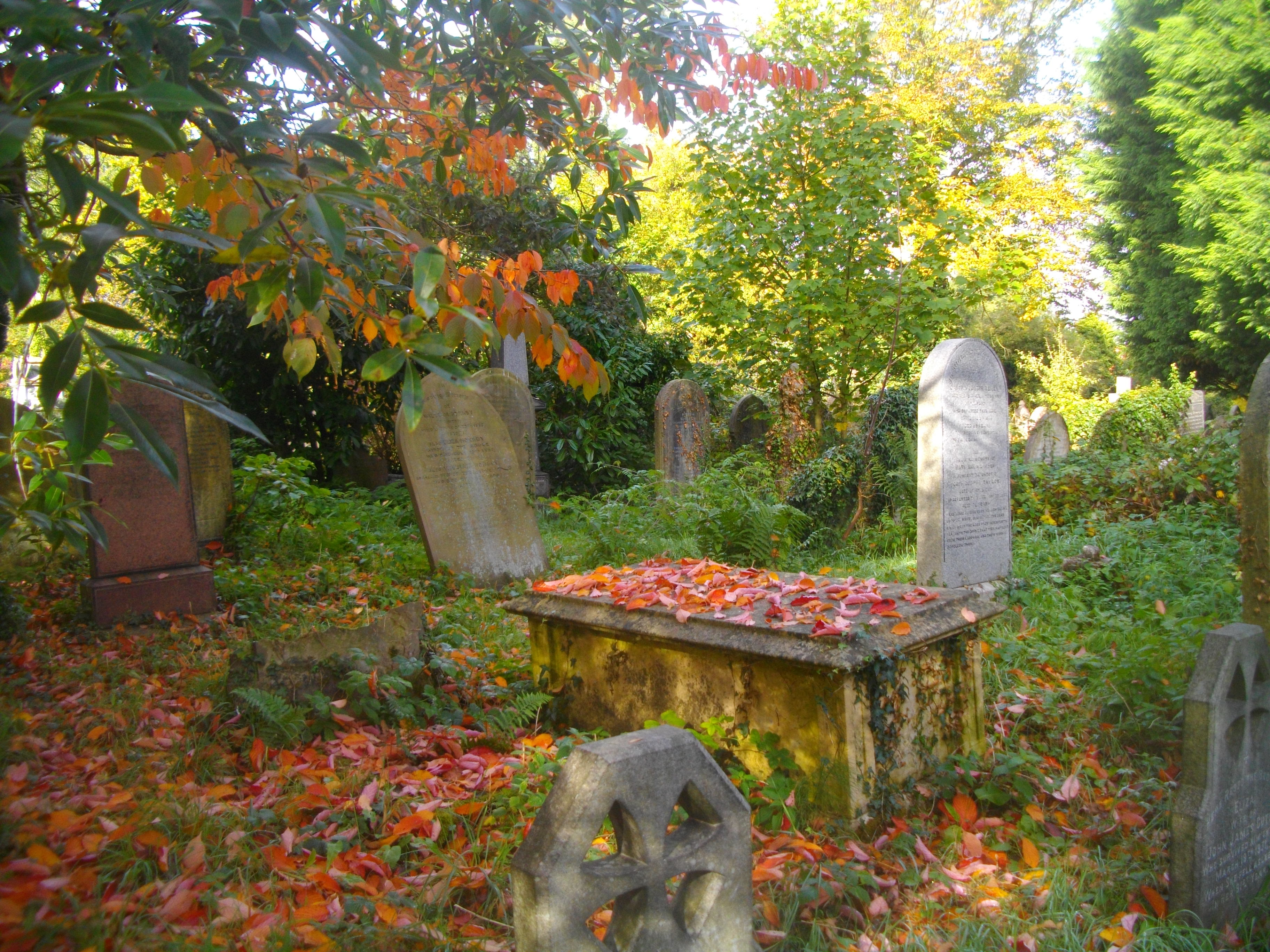
The history of the cemetery which is presented in an excellent book sold by the cemetery itself, does a very good, and very thorough, job, of outlining the process of how the land came to be acquired and used and expanded over time, so I won’t re-hash that here. Essentially, the cemetery was first used in 1837, and was smaller at first than it is now, gradually expanding over the course of the nineteenth century as more and more sections of land were purchased to accommodate the need for more burial space. It was laid out deliberately with space for trees and plants and paths, meant from the beginning to be the calm and dignified oasis it is now. People paid to be buried there, and this money went towards the maintenance of the graves and the grounds, towards paying the clergy to officiate at the funerals, and towards the shareholders who were in charge of the Cemetery’s overall maintenance – it was in the shareholders’ interests that the cemetery continue in use, so that they would carry on earning money from their shares.
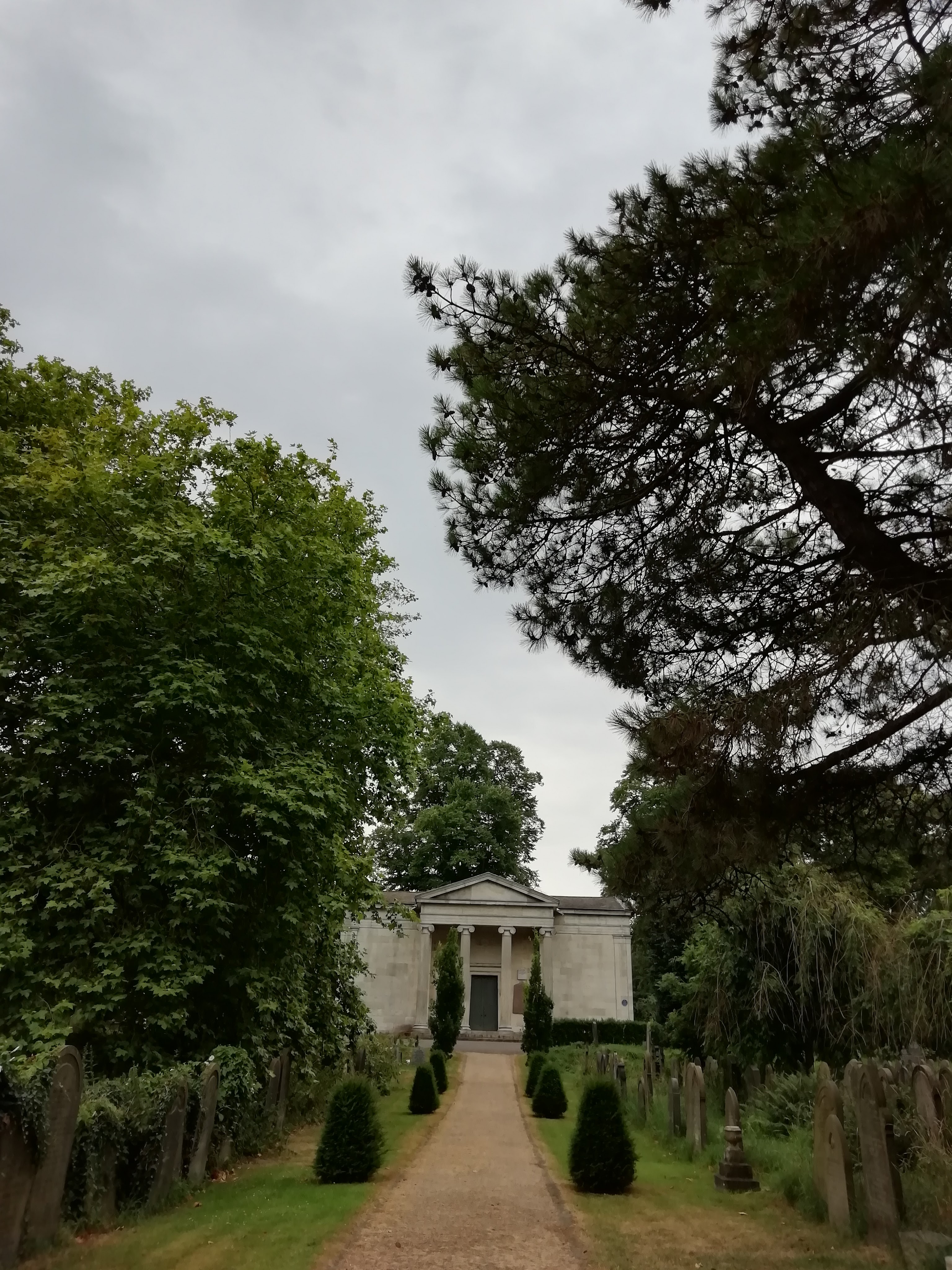
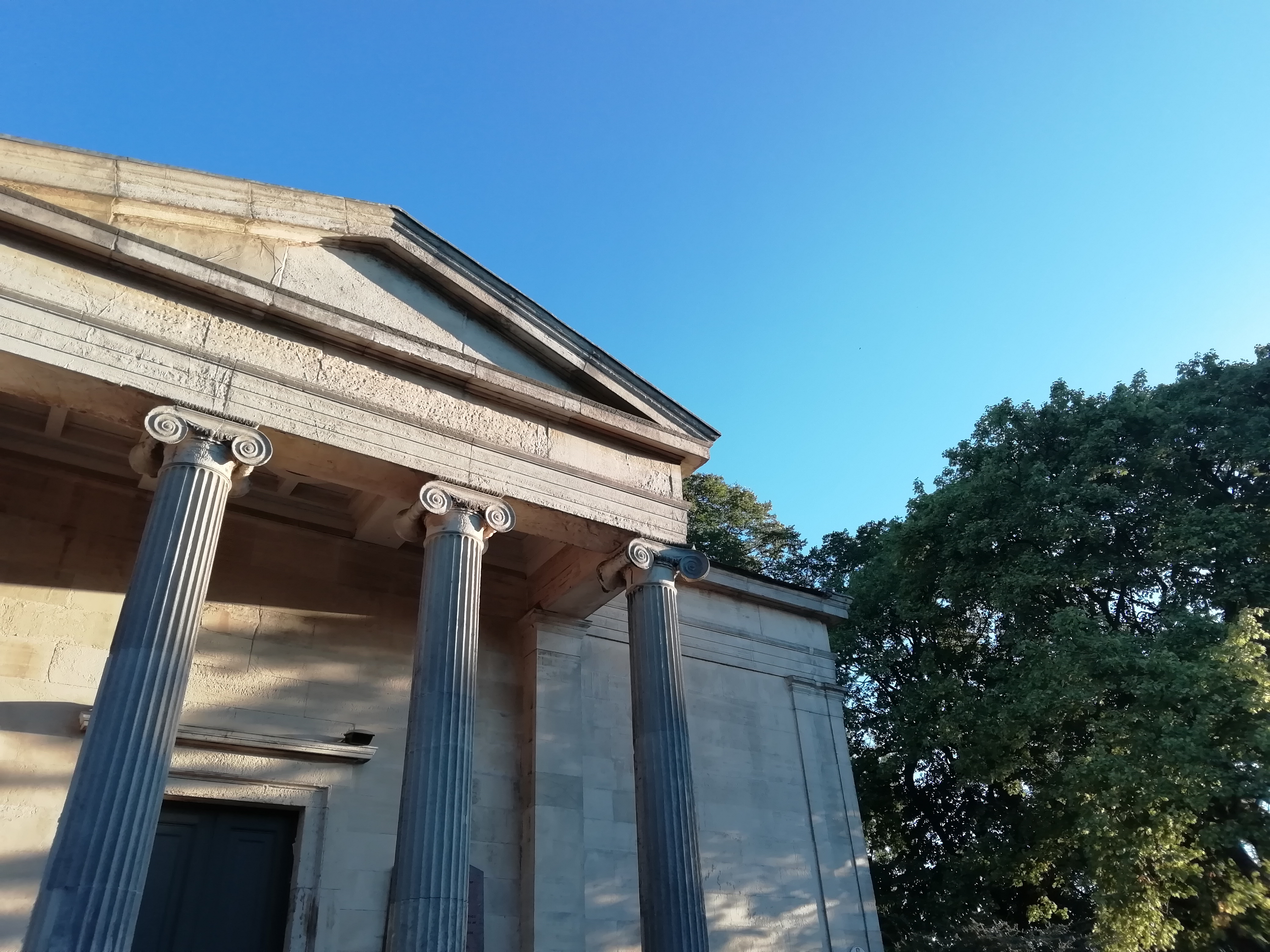
There was a decline in the number of burials between roughly the 1960s and the 1980s, because of economic reasons, which – I’m going to be very honest here – I don’t fully understand. The problem seems to have been that the cemetery was no longer profitable to the shareholders, because the available burial spaces were filling up; the cemetery thus devolved to the Crown, which, for our purposes here, meant that the York Cemetery Company no longer owned the land and could not arrange for burials to take place there. Anyway, the point of this is to say that until the 1980s, this once-flourishing cemetery was left to grow wild, open to the dangers of vandalism. The roof of the chapel (pictured below) collapsed in 1984, and this was the catalyst for not only restoring the chapel, but also tidying up the grounds, and bringing the cemetery back to life, as a burial place, but also as a piece of York’s heritage, and as an important habitat for wildlife. It is now run by two charities, the Friends of York Cemetery and York Cemetery Trust. It is still a working cemetery: if you notice a lot of cars parked along the road up the chapel, or if you have to wait for a car to pass before you can get in or out of the gate, there is probably a funeral going on. It doesn’t mean you can’t go in, but give them lots of space and explore some other part of the cemetery. There is a lot to see…we will explore it in the next post.
Further Reading
The above-mentioned book is available directly from the cemetery itself: This Garden of Death: The History of York Cemetery 1837-2007 by Hugh Murray.
The most excellent 1852 map of York which has featured on this blog many times: https://interactivemaps.uk/york-1852/#17/53.9622/-1.0821
On the Cemetery’s website, they have some self-guided trails you can follow, themed around a particular type of grave, type of person, manner of death, or to do with the nature side of the cemetery site. I’ve done several, and they are fascinating. Their guided walks are well worth checking out, too. https://www.yorkcemetery.org.uk

